In-Home Care vs Assisted Living: Cultural and Language Needs in Senior Care
@andersonofqx450
Business Name: FootPrints Home Care
Address: 4811 Hardware Dr NE d1, Albuquerque, NM 87109
Phone: (505) 828-3918
FootPrints Home Care
FootPrints Home Care offers in-home senior care including assistance with activities of daily living, meal preparation and light housekeeping, companion care and more. We offer a no-charge in-home assessment to design care for the client to age in place. FootPrints offers senior home care in the greater Albuquerque region as well as the Santa Fe/Los Alamos area.
4811 Hardware Dr NE d1, Albuquerque, NM 87109
Business Hours
Families typically begin the care conversation around security, medications, and cost. Those are real concerns. Yet the reason lots of seniors flourish or decline has as much to do with culture and language just like blood pressure readings. Food that tastes like home, a caretaker who understands a proverb or a prayer, the capability to argue or joke in your first language, these small things carry the weight of dignity.
Over the years, I have sat at cooking area tables with adult kids who are stabilizing spreadsheets of options. A home care service can send a senior caretaker who speaks Mandarin twice a day. The assisted living facility down the roadway offers structured activities and an on-site nurse, though only in English. The household asks a fair concern: which course provides Mom the best chance at feeling like herself? The sincere response starts with how each design manages cultural and language requirements, in the everyday grind and in the long nights.
What "cultural and language requirements" look like in real life
Culture lands in everyday regimens. A Jamaican elder who anticipates porridge in the morning and soothing hymns on Sundays has needs that don't show up on a standard consumption kind. A retired engineer from Ukraine may not open up until he is addressed with the best honorifics and a few words in his native tongue. I when cared for a Filipino veteran whose mood changed on the days he got to lead grace before meals. Absolutely nothing in his care strategy discussed faith management, yet that bit part anchored him.
Language needs can be much more concrete. Pain scales are worthless if the resident can not articulate "sharp" versus "dull." Consent for a brand-new medication modifications when the description lands in the incorrect language. A misheard word can trigger a fall. On the other hand, hearing a familiar dialect can relax sundowning dementia in minutes. The point is basic, and it pushes the choice past facilities: choose the care setting that can dependably provide the best words, the right food, the best rhythms.
In-home care and the power of individual tailoring
When people hear at home senior care, they frequently picture help with bathing, meals, and medication tips. That's the structure, however the genuine benefit is the control it gives a family over the cultural environment. Homes carry history. The spice cabinet, the family images, the prayer rug, the radio station set to rancheras or ghazals, these require no institutional approval. With a great senior caretaker, you can keep those anchors intact.
Matching matters. Numerous home care agencies keep lineups of caretakers by language, area, and even cuisine comfort. If a client chooses halal meals, the caretaker finds out the pantry guidelines. If the elder speaks Farsi and some English, you look for a bilingual caretaker who can switch fluidly. I have actually seen state of mind and cravings rebound within days when a caregiver arrives who can joke in the customer's mother tongue. It is not magic. It is trust built through comprehension.
Schedules likewise flex with in-home care. Ramadan fasting, Friday prayers, Chinese New Year telephone call at odd hours, a telenovela that the customer refuses to miss, these are easier to honor in your home. Elders who matured with multigenerational homes frequently feel much safer with familiar sound patterns, grandkids intruding, a next-door neighbor dropping off food. That social mix is tough to re-create in an official residence no matter how friendly.
The limitation is coverage depth. A home care service can arrange 12 hours a day with a language-matched caregiver, or 24/7 with a group. However real life brings spaces-- an ill day, a snowstorm, a holiday. Agencies try to send out a backup, though the backup might not share the precise dialect or cultural knowledge. Families who desire smooth consistency often work with a little personal group and pay for overlap to avoid spaces. That raises cost and coordination complexity.
There is likewise the matter of clinical escalation. If the elder's needs heighten, in-home care can feel extended. Tube feeds, intricate wound care, or dementia with night roaming might require numerous caretakers and tight supervision. The cultural connection stays exceptional at home, but the staffing burden grows.
Assisted living and the structure of community life
Good assisted living neighborhoods develop rhythms that decrease isolation, motivate movement, and watch medication schedules. Safety nets are thicker: call buttons, awake personnel in the evening, prepared activities, transport to visits. For many families, that structure alleviates the mental load they have actually carried for many years. Meals get served, housekeeping takes place, costs are predictable.
Cultural and language assistance in assisted living can be found in two kinds. First, the resident population. A structure with lots of Korean locals often develops its dining program, commemorates Korean holidays, and hires staff who speak Korean. I have watched how a group of locals turns a lounge into a semi-formal tea hour in their language, and how that space pulls in others who want to find out greetings. Second, the personnel mix. Neighborhoods serve their regional labor market. In areas with strong bilingual workforces, you discover caretakers, housekeepers, and activity coordinators who speak Spanish, Mandarin, or Tagalog.
The restrictions are simply as genuine. Assisted living kitchen areas prepare for dozens or hundreds. Even with enthusiasm, they can not replicate private family recipes daily. Cultural calendars often shrink to periodic occasions. Languages beyond English and Spanish may be present just on day shift. Overnight personnel are stretched, and interpretation can depend upon the luck of who is on duty. Composed products, consisting of medication consent and service contracts, are typically just in English, or translated when and not upgraded. Households need to check.
A less visible challenge is self-respect of choice within group guidelines. Some homeowners are asked to consume at specific times. Incense may be restricted for fire security. Personal prayer can be accommodated, but group routines or music may require scheduling and noise limits. None of this is harmful. It is what happens when safety and group living requirements fulfill individual cultural practices.
Picking a path: how to weigh culture and language together with care needs
When I guide households, I inquire to visualize the elder's best day and worst day. On the best day, what foods appear, which languages circulation, what customs matter? On the worst day, who can discuss pain, calm worry, and preserve dignity in the elder's own words? If you hold both images, the decision sharpens.
Families frequently default to cost comparisons, and they should. In-home care can be a good value for somebody who requires a couple of hours a day. Round-the-clock personal task can surpass assisted living fees rapidly. Assisted living rates look predictable, however level-of-care add-ons accumulate. Neither model is inherently cheaper. What changes, when you add culture and language to the equation, is the value per dollar. Cash spent on a caregiver who comprehends your mother's jokes may be better medication than a larger health club or a theater room.
Beyond cash, think of the family's involvement. In-home care generally requires more hands-on management, at least initially. Families hire and orient caretakers, notice when the fit is off, keep cultural information alive. Assisted living decreases that micromanagement however moves the work to advocacy: ensuring the care strategy keeps in mind language preferences, meeting with the director to resolve food or praise needs, and keeping an eye on whether personnel in fact carry out the plan.
Food is culture, not simply nutrition
Meals often make or break change. In-home care enables almost perfect customization. If Dad desires congee with preserved egg on Wednesdays and steamed fish with ginger on Fridays, your caregiver can shop and prepare accordingly. Spices can be right. The kitchen smells familiar. Cravings returns.
Assisted living cooking areas do better when households partner with them. Bring recipes and spices. Ask to fulfill the chef. Suggest options rather than just grumbling. In one building, a resident's child brought a spice box and laminated guidelines for her mother's preferred dal. The chef might not prepare it daily, but once a week the menu turned in a turmeric-rich lentil soup that thrilled a half-dozen citizens who had actually not tasted anything like it in years. That success became a regular monthly South Asian lunch that pulled personnel and residents together. Small wins substance when families and cooking areas trust each other.
Be all set for taste tiredness. Aging dulls palate, and cultural meals often bring the power to cut through that numbness. If a center's menu leans boring, appetite flags. I motivate households to ask about sodium policies, demand low-salt versions of standard meals with more spices, and think about doctor approvals for cultural exceptions when safe.
Language and the truths of clinical communication
It is one thing to chit-chat. It is another to explain side effects, chest pressure, or lightheadedness plainly. In-home care offers the benefit of connection. A multilingual caretaker can be the bridge, not only in conversation however during telehealth gos to or in the physician's workplace. With consent, caretakers can text families when they detect subtle shifts in state of mind that a non-native speaker might miss.
In assisted living, a layer of policy gets in. Lots of elder care communities train personnel to prevent acting as interpreters for medical choices due to the fact that of liability. They might utilize phone or video interpretation services for medical matters, which is sensible but slower and more impersonal. If your loved one has problem with those platforms, set up a strategy. Offer a short glossary of terms, in both languages, for the most common symptoms. Ask whether the center can tag the chart with favored language and interpretation directions. Clarify who will be called when an immediate decision occurs at 2 a.m.
Edge cases matter. Dementia frequently peels back 2nd languages. A retired teacher who taught in best English may go back to the language of childhood as memory fades. Families assume staff "know" the elder speaks English and discover too late that distress intensifies during the night when the 2nd language collapses. Anticipate this shift. If your loved one is at threat of cognitive decrease, build first-language capacity into the strategy now, not after a crisis.
Faith, rituals, and the meaning of time
Religion and routine cross into care in practical methods. In the home, it is simple to set prayer times, face the best instructions, avoid particular foods, or light candle lights under guidance. Caregivers can drive to social work or set up video involvement. I have actually watched the energy spike when seniors hear their own parish's music, even throughout a screen.
In assisted living, the spiritual environment is primarily what homeowners and families make of it. Some neighborhoods have chaplains or checking out clergy. Others count on resident-led events. If faith is central, ask particular questions: Exists a quiet room for prayer? Can the center accommodate dietary guidelines year-round, not simply during holidays? Are staff trained on modesty standards throughout bathing? If spiritual texts require respectful handling, reveal the personnel how. Individuals want to honor these needs, however they can not check out minds.
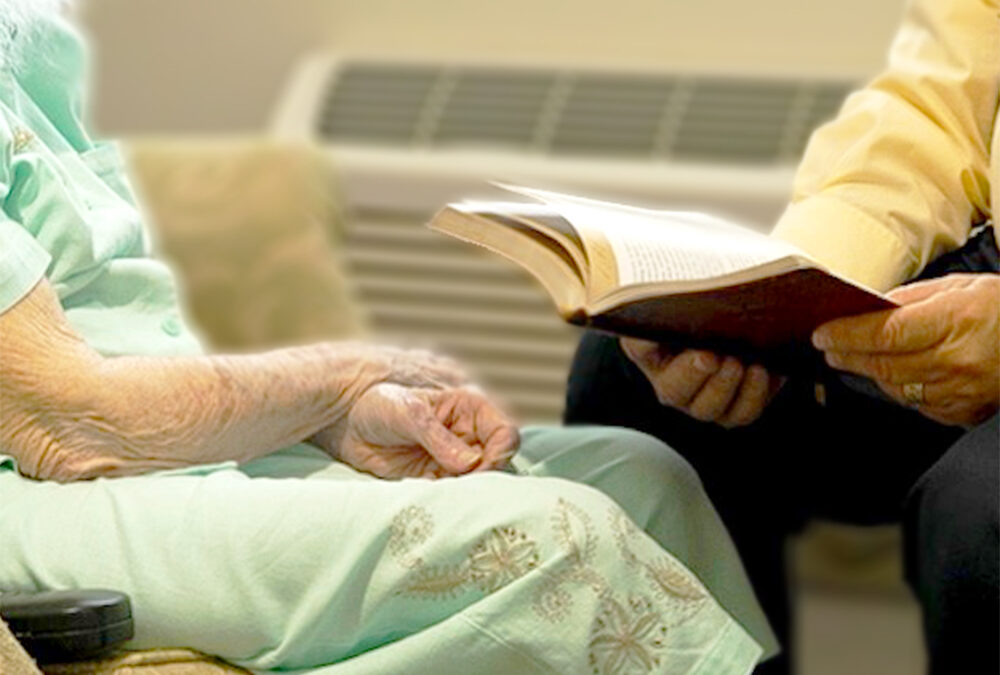
Time itself holds indicating in numerous cultures. Afternoon rest, late suppers, predawn prayer, these are not quirks. They belong to what signals safety to a body that has lived a specific method for years. In-home care supports these rhythms quickly. Assisted living requests compromise. Try to find neighborhoods that bend within factor, particularly around sleep and bathing schedules.
The function of household as culture keepers
Even the very best senior home care plan will not bring culture on its own. Households do. A weekly hire the ideal language can achieve more than a lots activity hours. Photo boards with names in the native language help caregivers pronounce relatives properly. A brief letter to staff about "how to make Mom smile" can break the ice for a shy resident. Think of yourself not only as a decision-maker however as a coach who equips the team with the playbook.
Volunteers from the community can extend this. Cultural associations, student groups, and faith neighborhoods often want to visit. In the home, welcome them into the regimen. In assisted living, clear gos to with the director and propose a basic, inclusive event, maybe a music hour or storytelling circle. When senior citizens hear familiar songs or prayers, you can feel the space exhale.
Staffing truths: what to ask before you decide
Hiring and retention shape what a provider can promise. Agencies and facilities both deal with turnover. A stunning brochure does not ensure a Spanish-speaking caretaker on every shift. Outcomes come from policies and the depth of the bench.
Here is a concise checklist to use during tours or interviews:
- How numerous caretakers or employee on your group speak my loved one's main language fluently, and on which shifts?
- Can we satisfy or speak with potential caretakers in advance and demand replacements if the fit is off, without penalty?
- What training do personnel get on cultural humility, religious practices, and communication with non-native speakers?
- How do you handle interpretation for medical choices on evenings and weekends?
- Can your meal program reliably deliver specific cultural meals or accommodate continuous dietary rules, not simply special events?
The answers will seldom be ideal. You are listening for honesty, versatility, and a track record of adapting. A director who states, "We do not have overnight multilingual staff, however we use video interpretation and can appoint a day-shift bilingual caregiver to visit late nights throughout your mom's hardest hours," is more trustworthy than one who states, "We commemorate diversity," and stops there.
Safety without cultural erasure
Sometimes the safest setting appears to overlook culture. A child once informed me, "Dad will hate the alarms on his bed, but he keeps trying to stand without aid." We moved the father to assisted living for a trial month with the alarms in place. The staff paired him with a caregiver from his home area for daily strolls. They also put music from his youth on throughout meals and discovered a regional retired person who pertained to play chess two times a week in his language. The alarms remained, but since the days seemed like his, he stopped attempting to stand impulsively. Security improved by including culture, not subtracting it.
At home, you can make comparable compromises. Door chimes to avoid wandering may feel invasive. Use discreet tones that simulate family sounds instead of blaring alarms. Label rooms in the elder's language. Keep night lights warm and low so the area feels lived-in, not clinical. Dullness drives danger. A regular with culturally significant activity uses energy before it becomes agitation.
Cost and worth when language is part of the equation
Price comparisons are challenging because line products differ. With in-home care, you typically pay by the hour. If you require a senior caretaker who speaks a less typical language, the rate might be greater, or the minimum hours per visit longer. Some companies will charge the same rate however might have limited schedule. Families sometimes mix paid hours with relatives covering weekends or evenings to protect both budget and culture.
Assisted living fees include room, meals, and varying levels of care. Communities do not generally price by language ability directly, however indirect costs show up. If the center needs to contract interpreters for every single medical discussion, the process gets slower. If the kitchen area orders specialty items, the flexibility depends upon spending plan and scale. Look for neighborhoods that currently serve a significant population that matches your loved one's background. The economies of scale work in your favor.
Think longitudinally. Cash spent early on a strong cultural fit can avoid crises that trigger health center stays, which cost even more in dollars and wellness. Anxiety and hunger loss prevail when senior citizens feel cut off. Bring back the best food, language, and routines frequently raises state of mind, which enhances adherence to medications and physical treatment. I have actually viewed a shaky elder become steadier simply since lunch tasted like home and triggered a second helping, which supported blood sugar level and energy.
How to build cultural strength into either model
No setting gets everything right by default. Your job is to flex the environment in small, consistent ways.
- Gather the cultural essentials, then formalize them in the care plan: language preferences, honorifics, crucial foods, fasting or banquet days, bathing modesty standards, music and television favorites, prayer schedule, and taboo subjects. Put this in composing and revisit it quarterly.
Those couple of pages become the guardrails that keep culture from slipping into the background. Staff change. Details fade. A written strategy nudges connection forward.
Beyond the document, set rituals in movement. In home care, schedule a weekly cooking session where the elder leads the caretaker through a favorite recipe. In assisted living, request a standing slot in the activity calendar for a cultural music hour. Bring the playlist, and invite others. Culture expands when it is shared.
When the elder disagrees with the family
Sometimes the elder desires assisted living for community, while the household promotes elderly home care to protect traditions. Or the reverse. Listen for what sits under the choice. An elder who wants assisted living may be craving peer conversation, not the lunchroom menu. Maybe in-home care can add adult day program attendance in the right language. On the other hand, a moms and dad resisting assisted living may fear losing control over food and privacy. Visiting a community that allows individual warmers for tea or has language groups may change the picture.
Compromise can be phased. Start with in-home care, 2 or 3 days a week with a language-matched caretaker, and add a culturally aligned adult day program to construct social muscle. Or move into assisted living and layer in private in-home care hours within the center from a caretaker who shares language and culture, especially throughout early mornings and nights when needs spike. You can sew both models together.
Red flags and green lights
Over time, you learn what signals future success.
Green lights consist of a care manager who takes notes on cultural details and repeats them back precisely, staff who welcome the elder in their language even if just a few words, a cooking area that requests for family recipes and really serves them, and activity schedules that show more than generic vacations. In home care, a reliable back-up strategy to keep language continuity is a strong indication of maturity. In assisted living, seeing multilingual signage and residents naturally congregating in language groups recommends staff do not isolate cultural expression to special occasions.
Red flags include providers who deal with language as an annoyance, vague promises without specifics, staff who mispronounce names after multiple corrections, menus that "honor" cultures through style nights while disregarding daily practices, and care plans that never ever mention language. Turnover happens, but a service provider that shrugs about it instead of building systems will have a hard time to keep cultural connection alive.

A useful path forward
Start with a brief pilot of whichever setting appears most possible. Thirty to sixty days suffices to see if appetite, state of mind, and sleep enhance. Step what matters: weight, engagement, the number of times the elder initiates discussion, the tone of call, whether jokes return. Keep a simple log. Modification just one or more variables at a time. If you transfer to assisted living, layer in a few hours of private in-home care in the very first month from a caregiver who shares language, to smooth the transition. If you begin in your home, plan for backup coverage on vacations and identify a minimum of two caregivers who can rotate, so language support does not deal with a single person.
Expect tweaks. Culture is not a checklist to finish. It is the water the elder swims in. Your task is to keep that water clear enough that identity stays afloat while health requirements are met.
The heart of the decision
Choose the place where your loved one can be understood without translation in the moments that matter most. For some, that will be the worn armchair by the window, the rice cooker humming, a senior caregiver laughing in the kitchen at a joke told in best Punjabi. For others, it will be a lively dining-room, chess in the corner with two next-door neighbors speaking Polish, a nurse who greets with a familiar endearment. Both courses can honor a life story. The ideal one is the one that lets that story keep speaking, in the right language, with the right flavors, at the right time of day.
FootPrints Home Care is a Home Care Agency
FootPrints Home Care provides In-Home Care Services
FootPrints Home Care serves Seniors and Adults Requiring Assistance
FootPrints Home Care offers Companionship Care
FootPrints Home Care offers Personal Care Support
FootPrints Home Care provides In-Home Alzheimer’s and Dementia Care
FootPrints Home Care focuses on Maintaining Client Independence at Home
FootPrints Home Care employs Professional Caregivers
FootPrints Home Care operates in Albuquerque, NM
FootPrints Home Care prioritizes Customized Care Plans for Each Client
FootPrints Home Care provides 24-Hour In-Home Support
FootPrints Home Care assists with Activities of Daily Living (ADLs)
FootPrints Home Care supports Medication Reminders and Monitoring
FootPrints Home Care delivers Respite Care for Family Caregivers
FootPrints Home Care ensures Safety and Comfort Within the Home
FootPrints Home Care coordinates with Family Members and Healthcare Providers
FootPrints Home Care offers Housekeeping and Homemaker Services
FootPrints Home Care specializes in Non-Medical Care for Aging Adults
FootPrints Home Care maintains Flexible Scheduling and Care Plan Options
FootPrints Home Care is guided by Faith-Based Principles of Compassion and Service
FootPrints Home Care has a phone number of (505) 828-3918
FootPrints Home Care has an address of 4811 Hardware Dr NE d1, Albuquerque, NM 87109
FootPrints Home Care has a website https://footprintshomecare.com/
FootPrints Home Care has Google Maps listing https://maps.app.goo.gl/QobiEduAt9WFiA4e6
FootPrints Home Care has Facebook page https://www.facebook.com/FootPrintsHomeCare/
FootPrints Home Care has Instagram https://www.instagram.com/footprintshomecare/
FootPrints Home Care has LinkedIn https://www.linkedin.com/company/footprints-home-care
FootPrints Home Care won Top Work Places 2023-2024
FootPrints Home Care earned Best of Home Care 2025
FootPrints Home Care won Best Places to Work 2019
People Also Ask about FootPrints Home Care
What services does FootPrints Home Care provide?
FootPrints Home Care offers non-medical, in-home support for seniors and adults who wish to remain independent at home. Services include companionship, personal care, mobility assistance, housekeeping, meal preparation, respite care, dementia care, and help with activities of daily living (ADLs). Care plans are personalized to match each client’s needs, preferences, and daily routines.
How does FootPrints Home Care create personalized care plans?
Each care plan begins with a free in-home assessment, where FootPrints Home Care evaluates the client’s physical needs, home environment, routines, and family goals. From there, a customized plan is created covering daily tasks, safety considerations, caregiver scheduling, and long-term wellness needs. Plans are reviewed regularly and adjusted as care needs change.
Are your caregivers trained and background-checked?
Yes. All FootPrints Home Care caregivers undergo extensive background checks, reference verification, and professional screening before being hired. Caregivers are trained in senior support, dementia care techniques, communication, safety practices, and hands-on care. Ongoing training ensures that clients receive safe, compassionate, and professional support.
Can FootPrints Home Care provide care for clients with Alzheimer’s or dementia?
Absolutely. FootPrints Home Care offers specialized Alzheimer’s and dementia care designed to support cognitive changes, reduce anxiety, maintain routines, and create a safe home environment. Caregivers are trained in memory-care best practices, redirection techniques, communication strategies, and behavior support.
What areas does FootPrints Home Care serve?
FootPrints Home Care proudly serves Albuquerque New Mexico and surrounding communities, offering dependable, local in-home care to seniors and adults in need of extra daily support. If you’re unsure whether your home is within the service area, FootPrints Home Care can confirm coverage and help arrange the right care solution.
Where is FootPrints Home Care located?
FootPrints Home Care is conveniently located at 4811 Hardware Dr NE d1, Albuquerque, NM 87109. You can easily find directions on Google Maps or call at (505) 828-3918 24-hoursa day, Monday through Sunday
How can I contact FootPrints Home Care?
You can contact FootPrints Home Care by phone at: (505) 828-3918, visit their website at https://footprintshomecare.com, or connect on social media via Facebook, Instagram & LinkedIn
The Albuquerque Museum offers a calm, engaging environment where seniors can enjoy art and history — a great cultural outing for families using in-home care services.